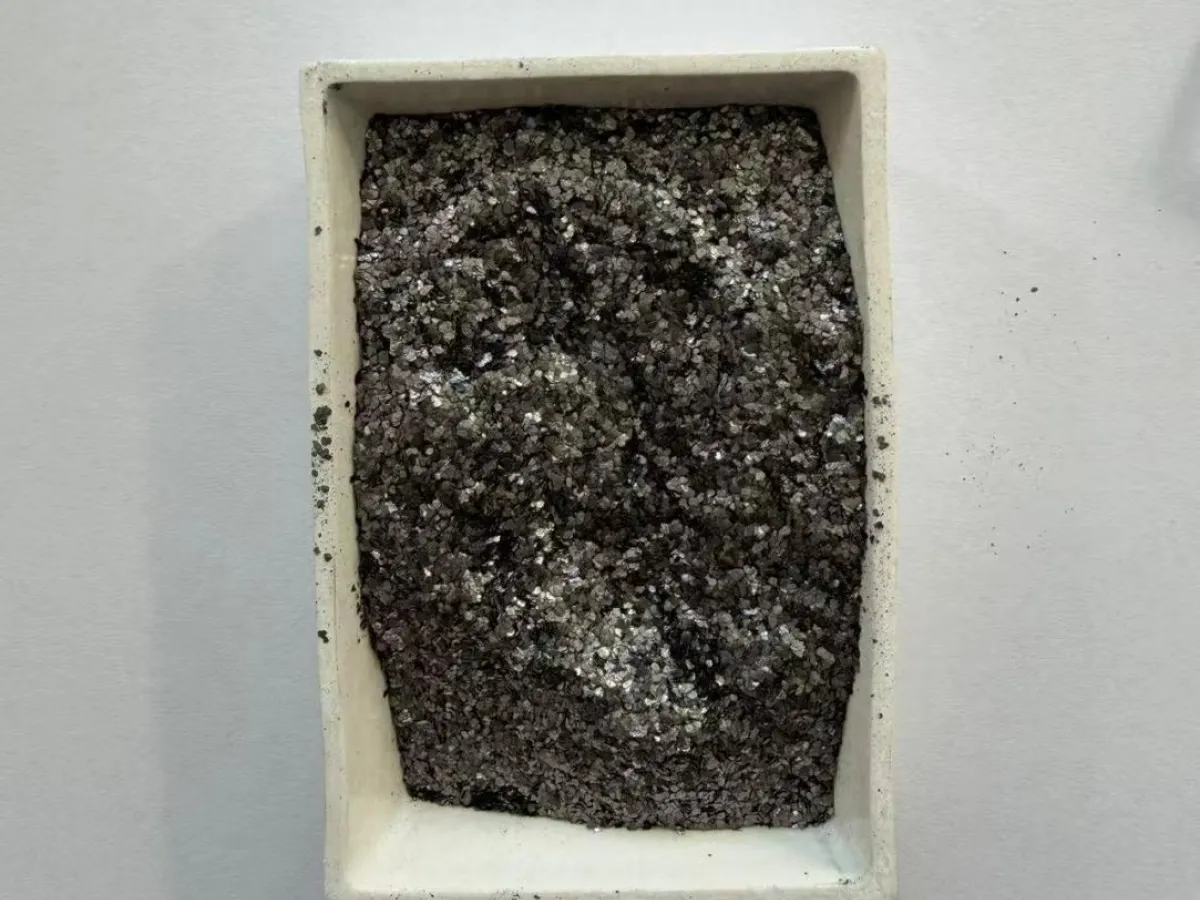
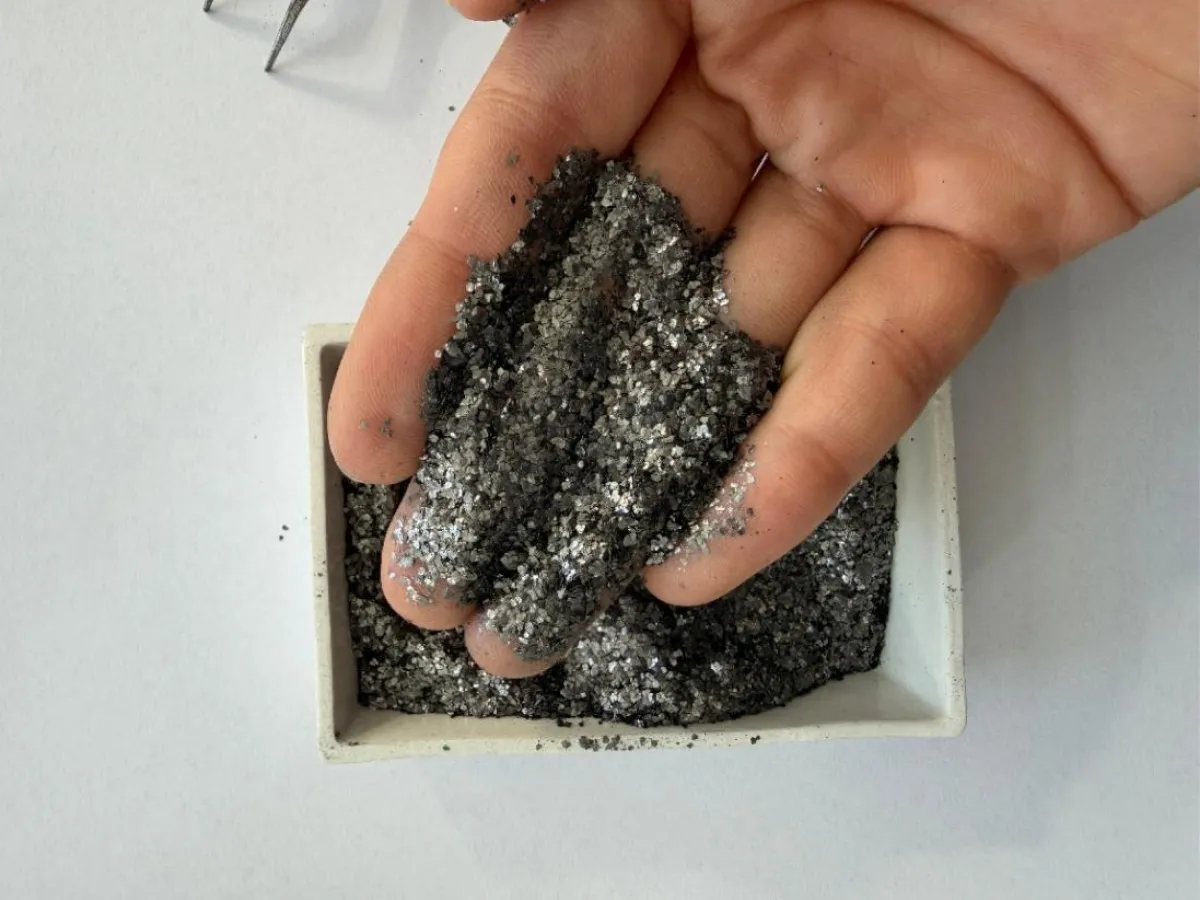
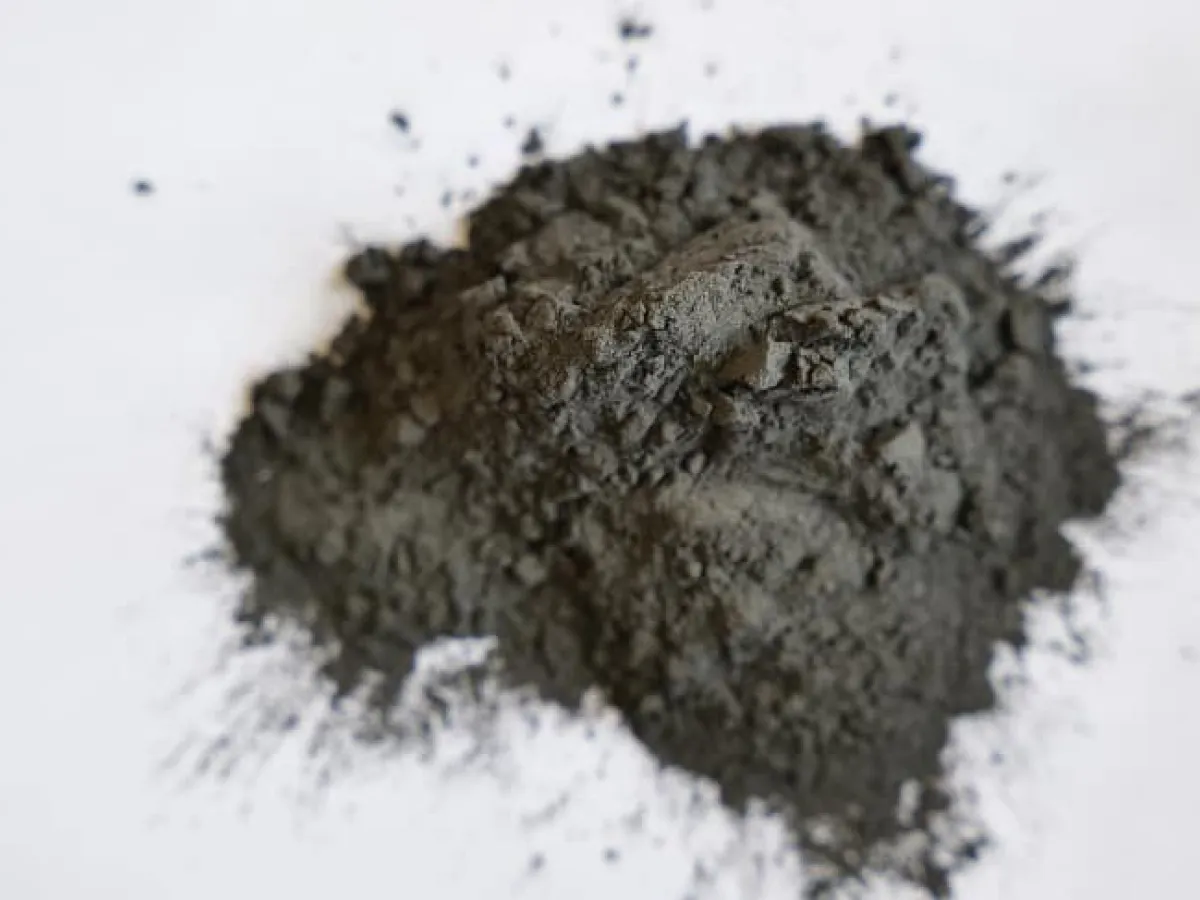
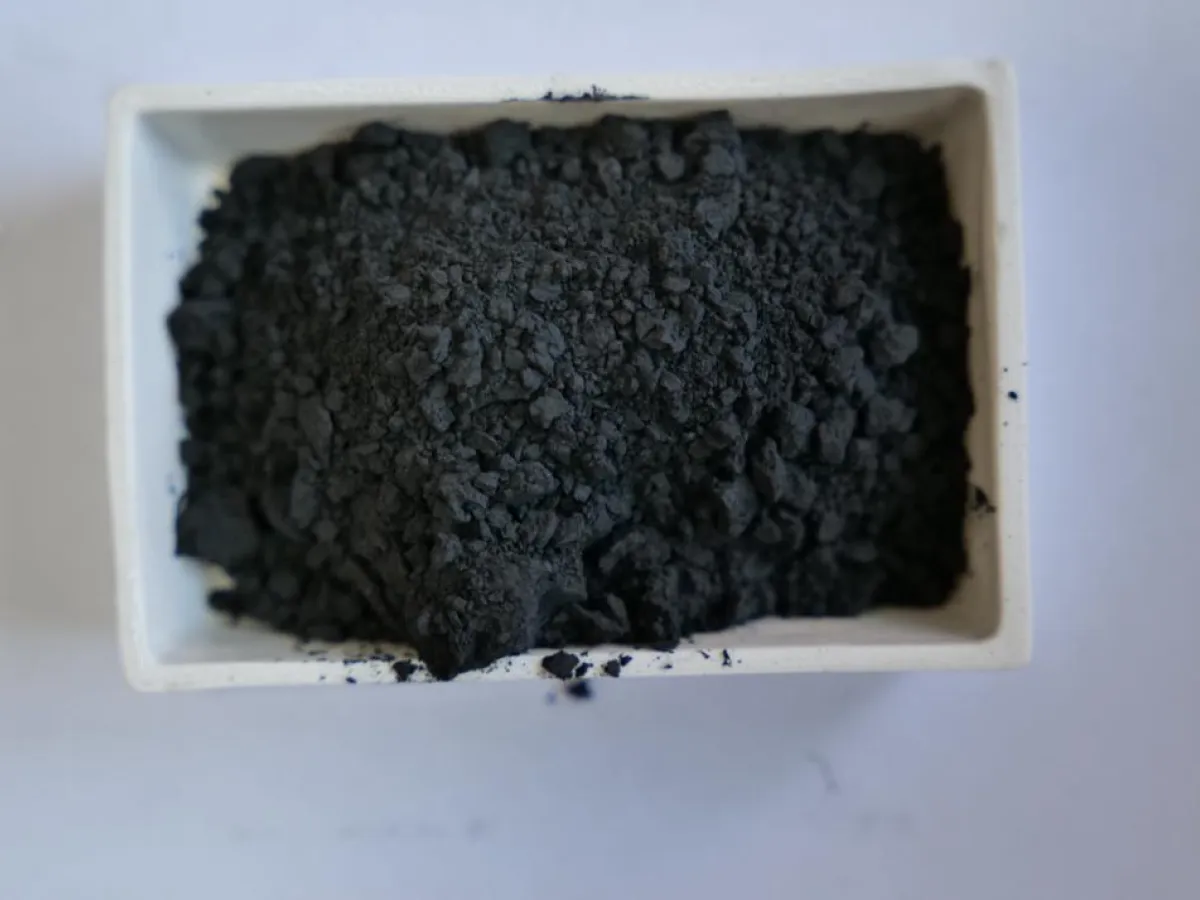
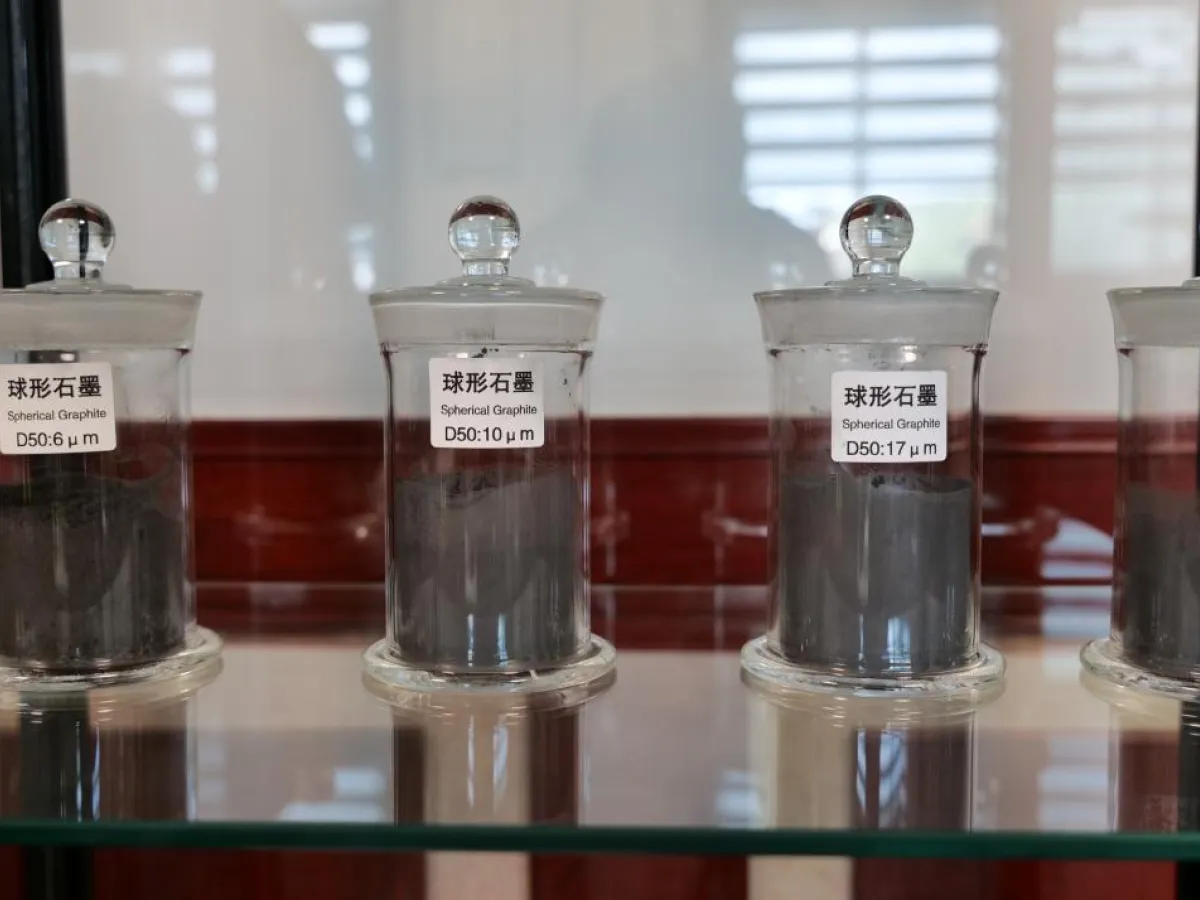
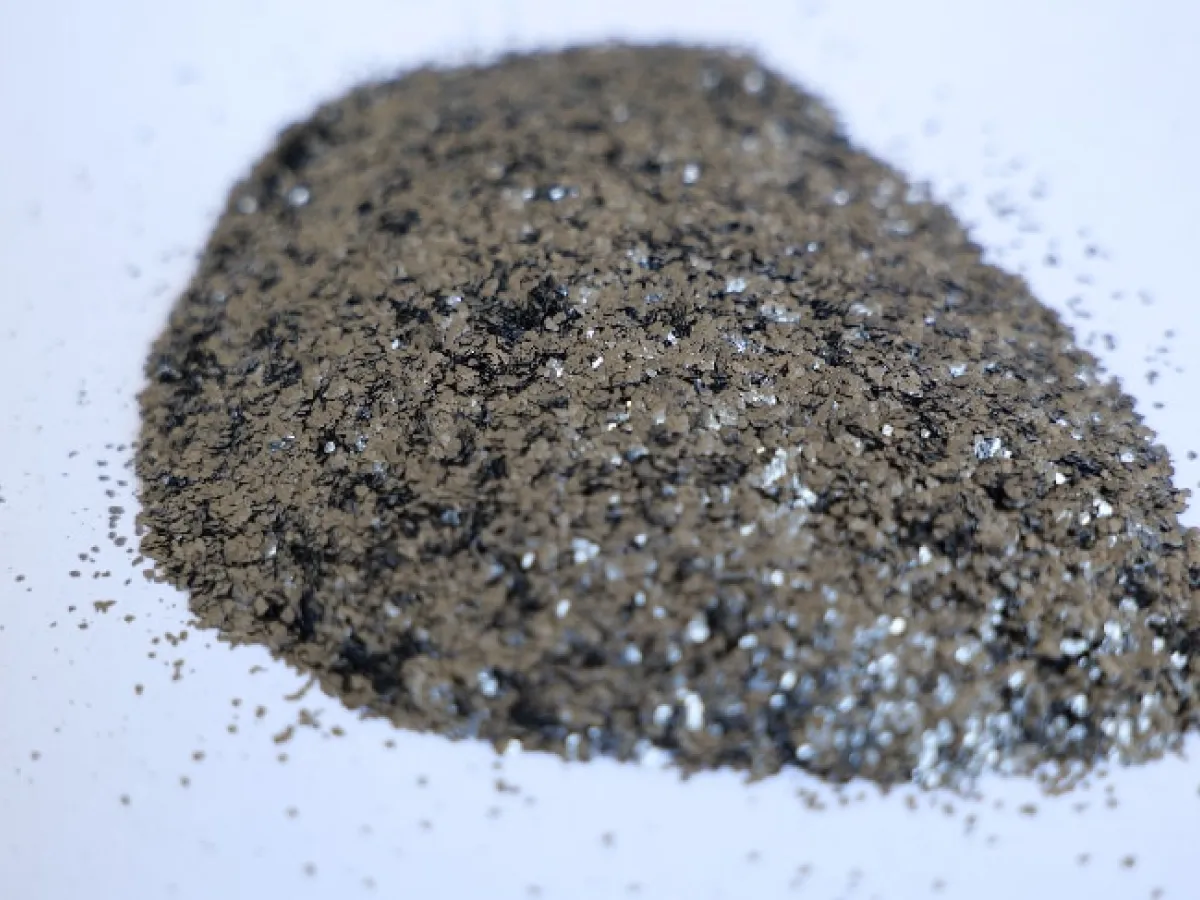
In the production of electric motor carbon brushes and brush assemblies, natural flake graphite can be used to improve the material’s electrical conductivity and self-lubricating properties. However, carbon brushes require not only good electrical conductivity but must also balance mechanical strength, friction and wear resistance, and operational stability. Therefore, the particle size of the raw material, its fixed carbon content, and its compatibility with other components all affect the performance of the final product.
Graphite possesses excellent electrical conductivity and interlayer lubrication properties. In carbon brush materials, natural flake graphite helps form conductive pathways and acts as a lubricant during friction, reducing friction between the carbon brush and the commutator or slip ring. However, the electrical conductivity and wear resistance of carbon brushes do not depend solely on the graphite content; they are also influenced by factors such as coke, carbon black, metal powders, binders, and the molding process. Formulation design requires a comprehensive evaluation that takes into account resistivity, hardness, wear rate, and actual operating conditions.
The particle size of natural flake graphite affects its dispersion within the carbon brush matrix, particle contact, and material structure. Graphite of different particle sizes may exhibit distinct characteristics during molding, sintering, and friction; therefore, it cannot be simply assumed that finer or coarser particle sizes are inherently better. Finer particles help improve the uniformity of powder mixing but may also alter the material’s pore structure and particle contact; coarser particles, on the other hand, may affect the conductive network and material microstructure. The actual results also depend on other raw materials and the production process. When purchasing, it is recommended to determine the particle size range based on the carbon brush type and operating conditions, and to evaluate resistivity, mechanical strength, and wear performance through sample testing, rather than selecting raw materials based solely on mesh size.
For carbon-based electrical products, the fixed carbon content and ash content of natural flake graphite are important raw material indicators. Lower ash content helps reduce the impact of inorganic impurities on material performance; however, specific purity requirements should be determined based on the type of carbon brush, formulation, and customer technical standards, as not all carbon brushes require the same fixed carbon content. In addition to fixed carbon content, attention should also be paid to particle size distribution and batch consistency. In systems using resins or other binders, the dispersion of graphite particles and their compatibility with the binder may also affect molding quality and final performance.
Natural flake graphite is typically used in combination with components such as coke, carbon black, metal powders, or binders. Different components play distinct roles, and their proportions and processing methods collectively influence the material’s electrical conductivity, strength, and friction characteristics. Therefore, when selecting graphite for electric brushes, one should not rely solely on price or fixed carbon content. A more reasonable approach is to clearly define the target product’s resistivity, wear requirements, operating current, and operating environment, then select the appropriate grade based on particle size and purity requirements, and validate the selection through actual formulation testing.
The application of natural flake graphite in carbon brushes and electric brushes requires a balance of electrical conductivity, lubricity, and wear resistance. Only when the appropriate particle size and purity specifications are matched to the formulation system and manufacturing process can the material’s advantages be fully realized.
We have long been engaged in the mining and processing of natural flake graphite and offer products with varying fixed carbon contents and particle size specifications. For customers in the electrical carbon products industry, we can discuss raw material selection based on specific applications, target specifications, and process requirements to further evaluate product suitability.
Авторские права © 2026 Qingdao Baohua New Materials Technology Co., Ltd.
| Политика конфиденциальности