Сферический графит и чешуйчатый графит: обзор характеристик и областей применения этих двух видов графита

Сферический графит и чешуйчатый графит: обзор характеристик и областей применения этих двух видов графита

Обновлено: 08-Jun-2026

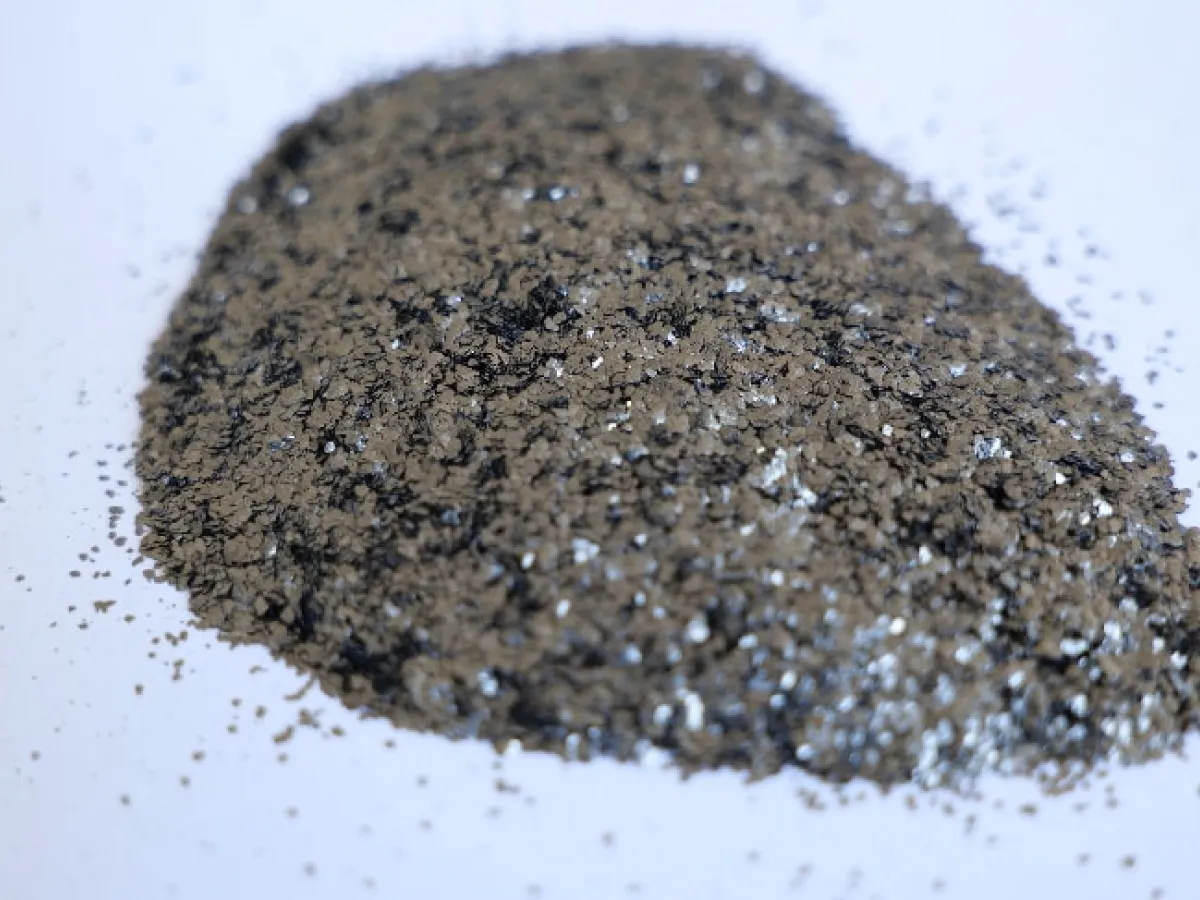
Ламинарный графит и сферический графит — два распространенных вида графита, обладающих значительно отличающимися свойствами. Ламинарный графит получают непосредственно из природной руды и сохраняет свою исходную чешуйчатую кристаллическую структуру, тогда как сферический графит производят из ламинарного графита путем дальнейшей переработки с целью изменения морфологии частиц. В данной статье будут представлены характеристики и типичные области применения этих двух видов графита.
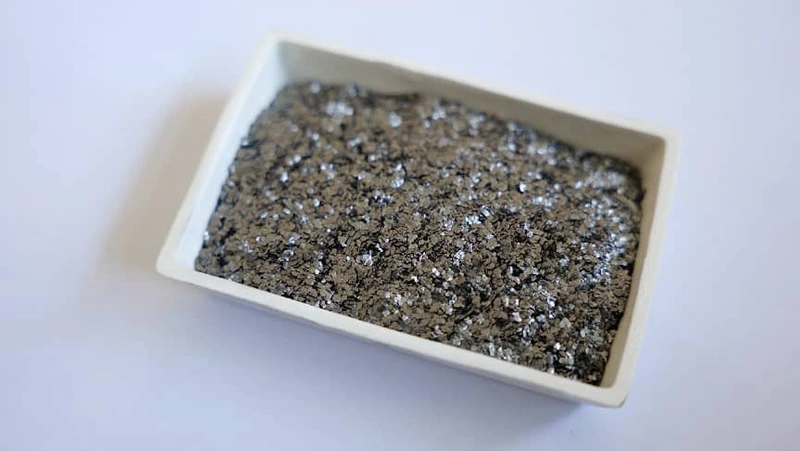
 

Flake graphite and spherical graphite are two common graphite products with significantly different properties. Flake graphite is derived directly from natural ore and retains its original flaky crystal structure, whereas spherical graphite is produced from flake graphite through further processing to alter the particle morphology. This article will introduce the characteristics and typical applications of these two products. Flake graphite possesses a natural flaky structure, with irregularly shaped particles characterized by a high aspect ratio. Its advantages include high-temperature resistance, excellent electrical and thermal conductivity, and chemical stability. Key technical indicators include fixed carbon content and mesh size (particle size). In terms of applications, flake graphite is widely used in refractory materials (such as magnesia-carbon bricks and crucibles), brake pads and friction materials, casting coatings, and as a raw material for producing spherical graphite. Our annual production capacity for flake graphite exceeds 120,000 tons, covering a wide range of specifications from 32 mesh to 325 mesh. Spherical graphite is a product manufactured from high-purity flake graphite through processes of pulverization, shaping, and precision classification. Its particles are ellipsoidal to spherical in shape, with smooth surfaces. Key performance indicators include tapped density (≥1.0 g/cm³), specific surface area (≤5 m²/g), and particle size distribution D50 (typically 15–20 μm). In terms of applications, spherical graphite is a key raw material for lithium-ion battery anodes and is also used in high-end conductive materials and specialty carbon products. Our annual production capacity for spherical graphite exceeds 60,000 metric tons, primarily serving the new energy vehicle and energy storage battery industries. Flake graphite and spherical graphite share the same origin but differ in form. Flake graphite is a basic product used directly in traditional industries, while spherical graphite is a value-added product derived from flake graphite, serving the new energy sector. As a manufacturer producing both products, we possess a complete industrial chain spanning from ore to flake graphite and on to spherical graphite.


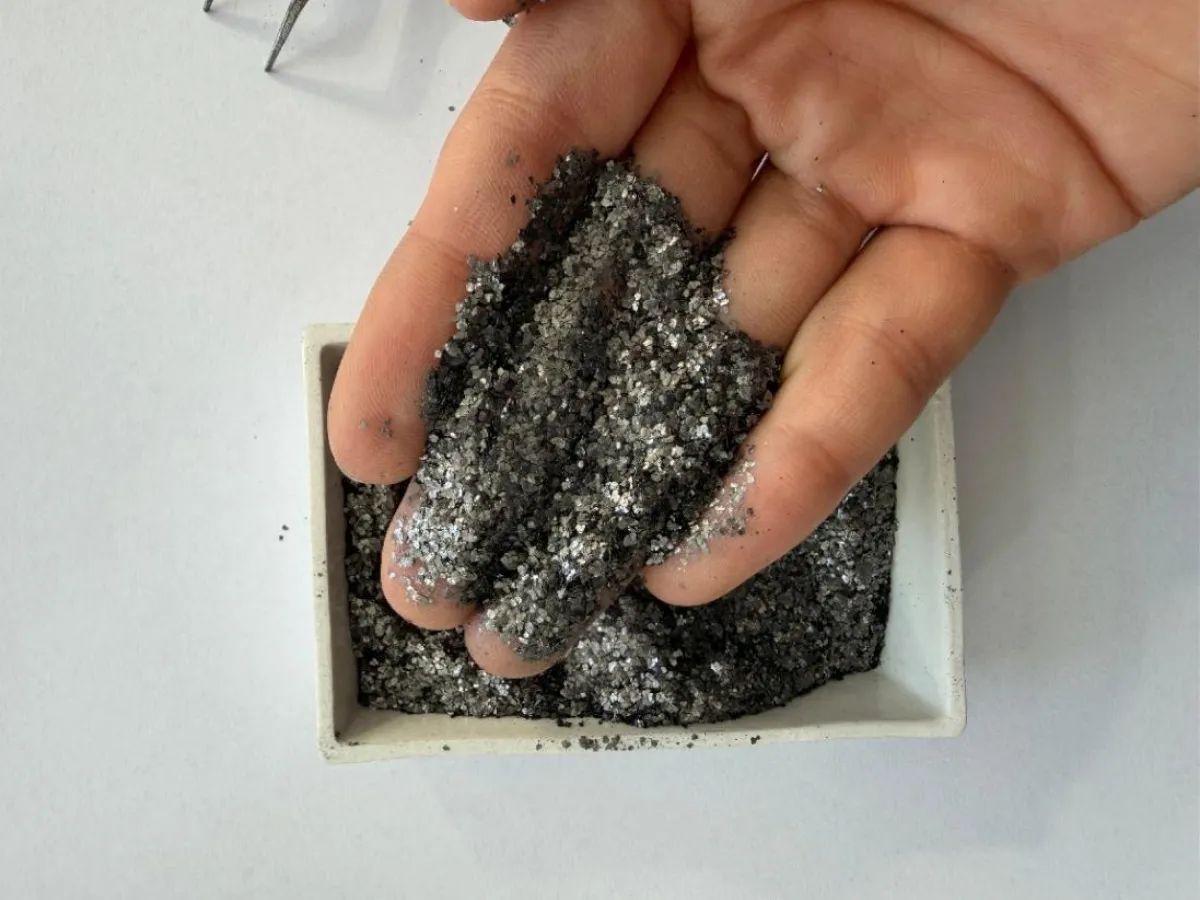
Ламинарный графит обладает естественной чешуйчатой структурой с частицами нерегулярной формы, характеризующимися высоким соотношением сторон. К его преимуществам относятся термостойкость, превосходная электро- и теплопроводность, а также химическая стабильность. Ключевые технические показатели включают содержание фиксированного углерода и размер ячейки (размер частиц). Что касается областей применения, то чешуйчатый графит широко используется в огнеупорных материалах (таких как магнезиально-углеродистые кирпичи и тигли), тормозных колодках и фрикционных материалах, покрытиях для литья, а также в качестве сырья для производства сферического графита. Наша годовая производственная мощность по чешуйчатому графиту превышает 120 000 тонн, охватывая широкий диапазон спецификаций от 32 меш до 325 меш.
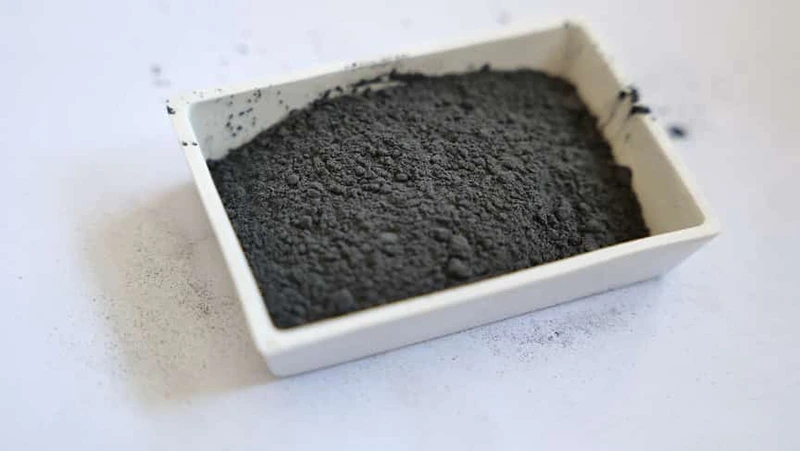
 

Flake graphite and spherical graphite are two common graphite products with significantly different properties. Flake graphite is derived directly from natural ore and retains its original flaky crystal structure, whereas spherical graphite is produced from flake graphite through further processing to alter the particle morphology. This article will introduce the characteristics and typical applications of these two products. Flake graphite possesses a natural flaky structure, with irregularly shaped particles characterized by a high aspect ratio. Its advantages include high-temperature resistance, excellent electrical and thermal conductivity, and chemical stability. Key technical indicators include fixed carbon content and mesh size (particle size). In terms of applications, flake graphite is widely used in refractory materials (such as magnesia-carbon bricks and crucibles), brake pads and friction materials, casting coatings, and as a raw material for producing spherical graphite. Our annual production capacity for flake graphite exceeds 120,000 tons, covering a wide range of specifications from 32 mesh to 325 mesh. Spherical graphite is a product manufactured from high-purity flake graphite through processes of pulverization, shaping, and precision classification. Its particles are ellipsoidal to spherical in shape, with smooth surfaces. Key performance indicators include tapped density (≥1.0 g/cm³), specific surface area (≤5 m²/g), and particle size distribution D50 (typically 15–20 μm). In terms of applications, spherical graphite is a key raw material for lithium-ion battery anodes and is also used in high-end conductive materials and specialty carbon products. Our annual production capacity for spherical graphite exceeds 60,000 metric tons, primarily serving the new energy vehicle and energy storage battery industries. Flake graphite and spherical graphite share the same origin but differ in form. Flake graphite is a basic product used directly in traditional industries, while spherical graphite is a value-added product derived from flake graphite, serving the new energy sector. As a manufacturer producing both products, we possess a complete industrial chain spanning from ore to flake graphite and on to spherical graphite.


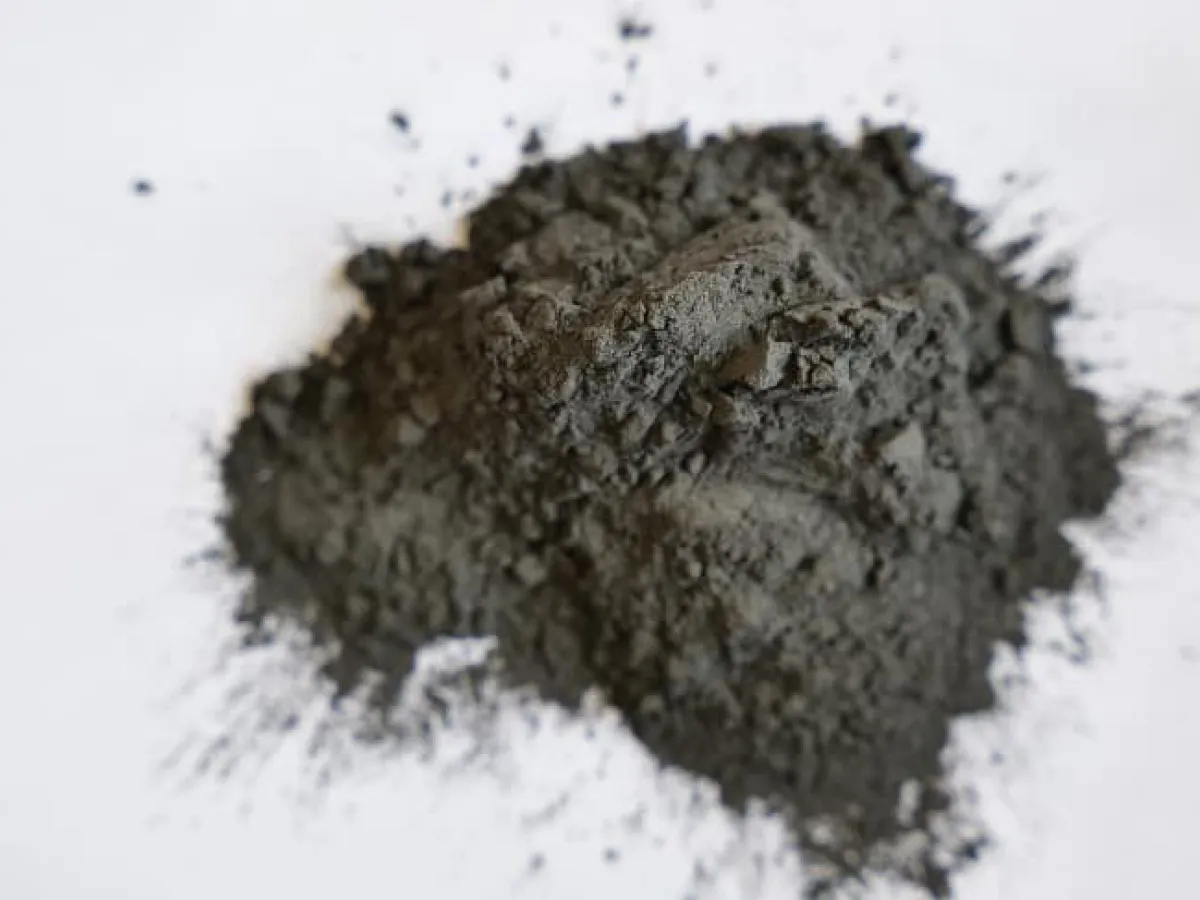
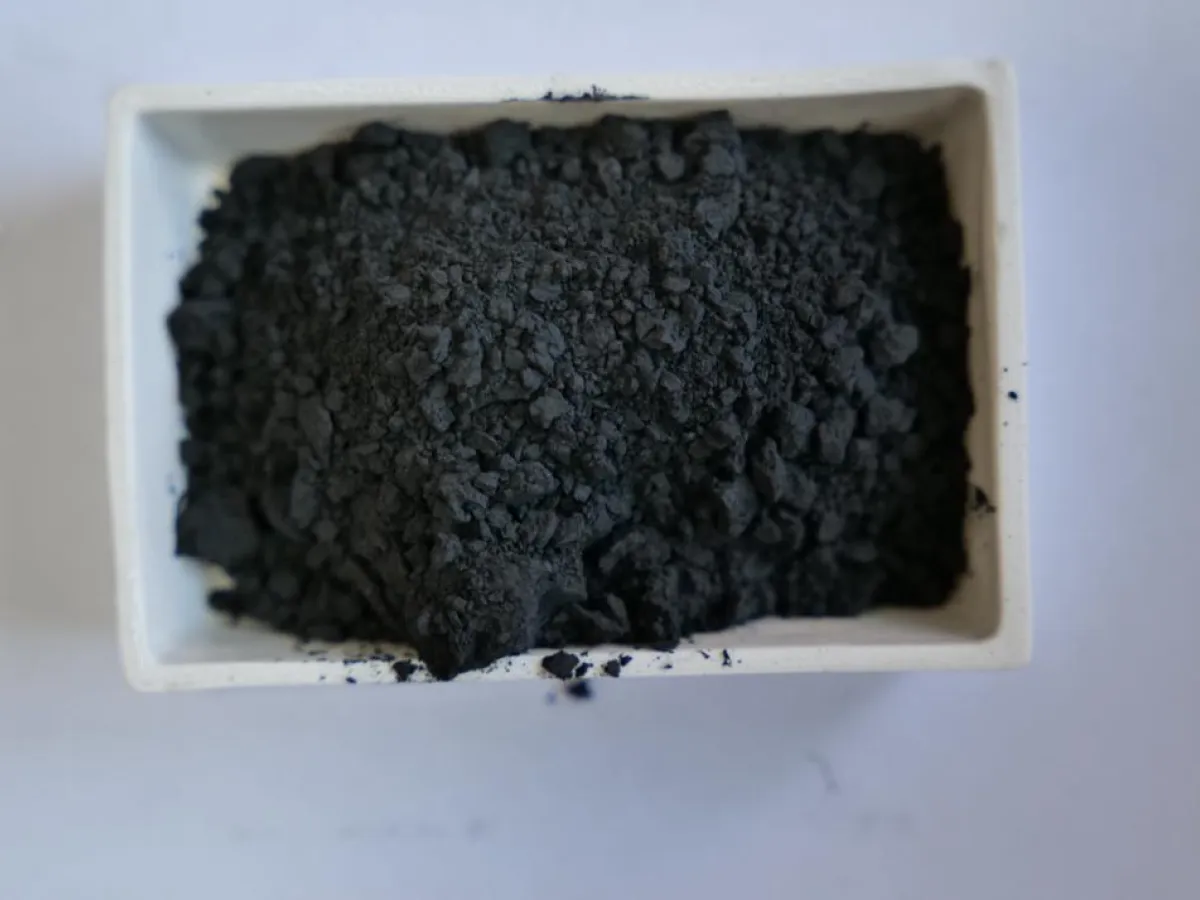
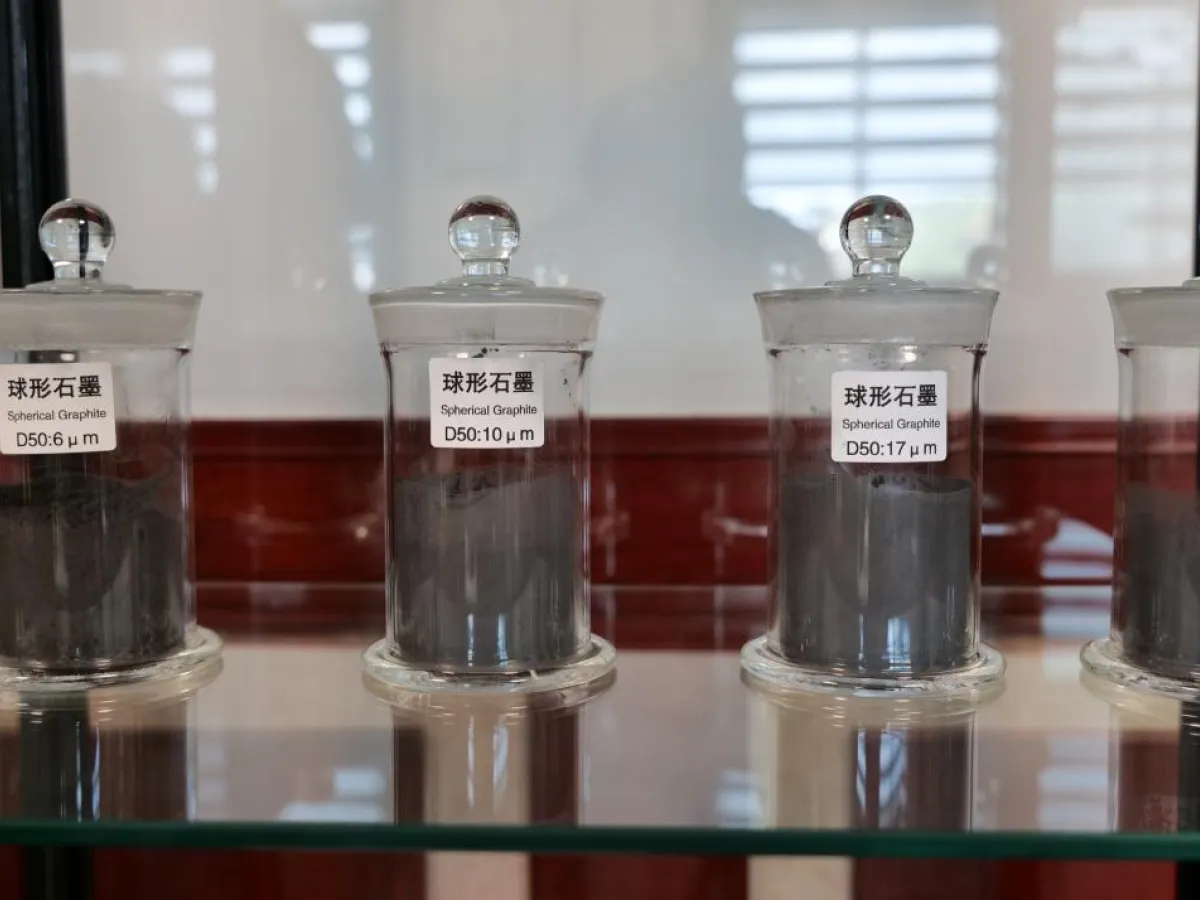
Сферический графит — это продукт, получаемый из высокочистого чешуйчатого графита путем измельчения, формования и точной классификации. Его частицы имеют форму от эллипсоида до шара с гладкой поверхностью. Ключевые показатели включают насыпную плотность (≥1,0 г/см³), удельную поверхность (≤5 м²/г) и распределение частиц по размеру D50 (обычно 15–20 мкм). Что касается областей применения, сферический графит является ключевым сырьем для анодов литий-ионных аккумуляторов, а также используется в высококачественных проводящих материалах и специальных углеродных продуктах. Наша годовая производственная мощность по сферическому графиту превышает 60 000 метрических тонн, в основном обслуживая отрасли транспортных средств на новых видах энергии и аккумуляторных батарей.

Ламинарный и сферический графит имеют одно и то же происхождение, но различаются по форме. Пластинчатый графит является базовым продуктом, напрямую используемым в традиционных отраслях промышленности, в то время как сферический графит — это продукт с добавленной стоимостью, получаемый из пластинчатого графита и предназначенный для сектора новых источников энергии. Как производитель, выпускающий оба вида продукции, мы располагаем полной производственной цепочкой, охватывающей весь процесс от руды до пластинчатого графита и далее до сферического графита.

Напишите нам
Чат в WhatsApp