As the scale of global graphite trade continues to expand, compliance requirements for importing and exporting products such as natural flake graphite, spherical graphite, and expandable graphite are becoming increasingly complex. Customs code classification, export control licenses, and packaging and transportation regulations—an oversight in any of these areas could result in the detention of goods, fines, or even criminal liability. As a manufacturer with over 30 years of experience in the graphite industry, we have compiled the key points for the import and export of natural flake graphite and related graphite products based on the latest policies and regulations.
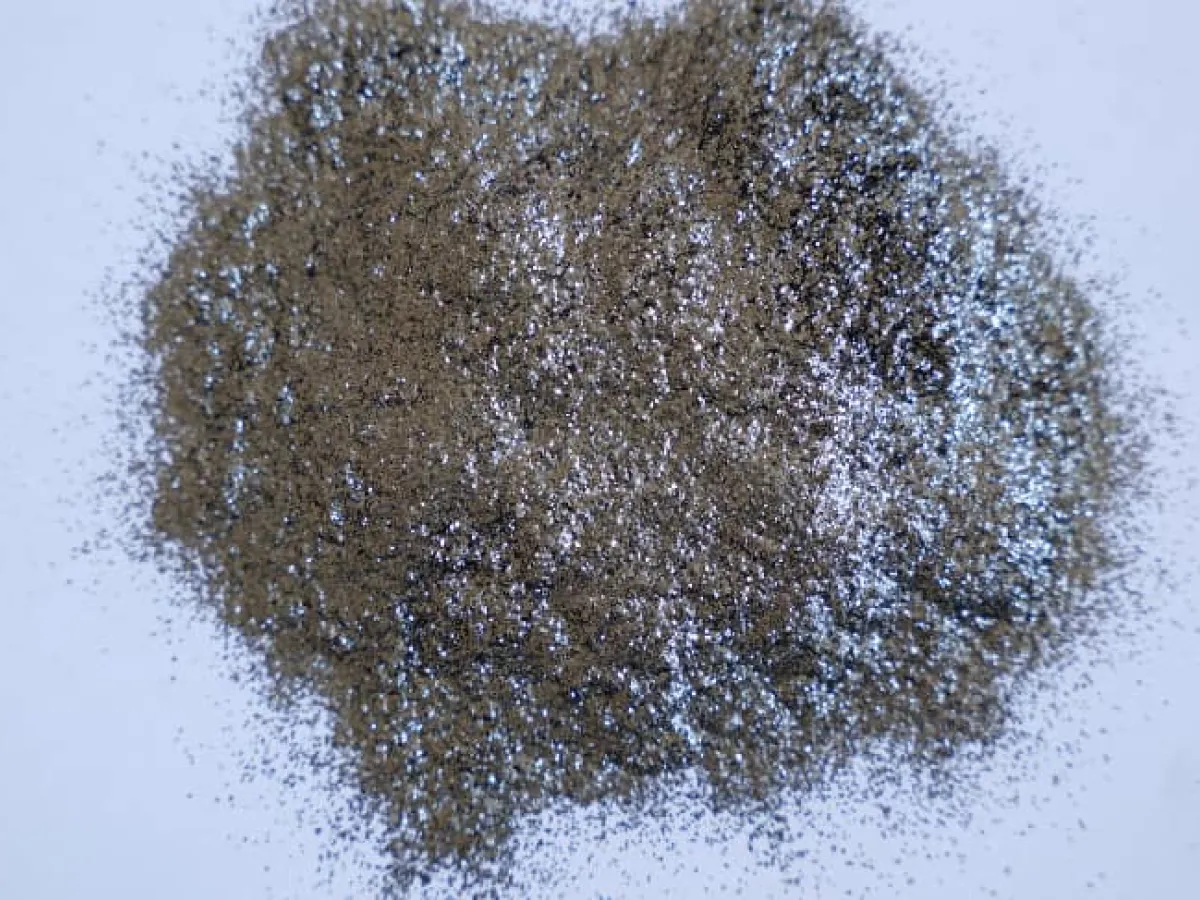
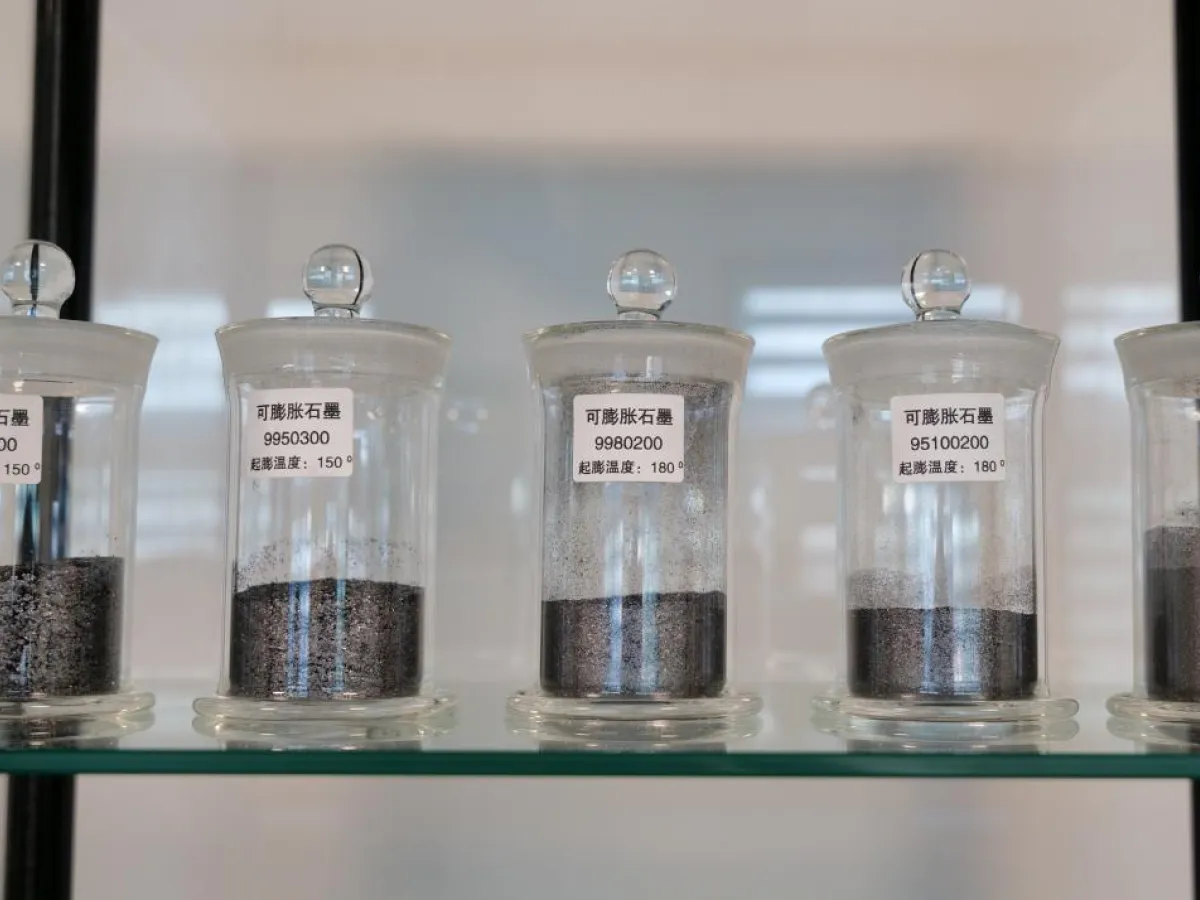
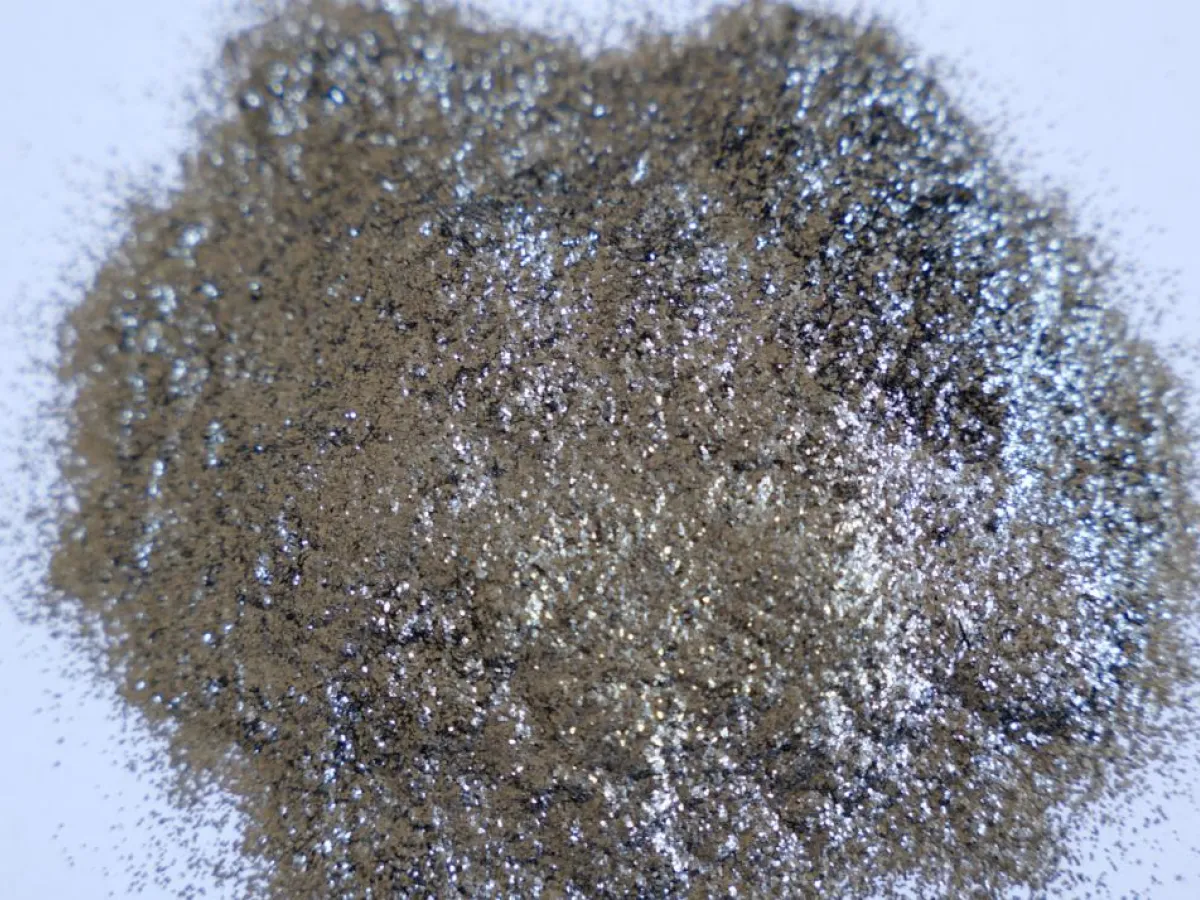
Accurate classification under the Harmonized System (HS) codes is the first step in importing and exporting graphite products. According to the Chinese Customs Tariff, the common HS codes for natural flake graphite are 2504101000 (natural graphite in flake form) and 2504900000 (other natural graphite). Declaration elements include appearance (powder, flakes, lumps, etc.), origin (whether natural), whether spheronized, graphite content, and fineness specifications. Deeply processed products such as spherical graphite and expandable graphite are typically classified under heading 3801 (e.g., 3801909000). When declaring these items, the intended use, physical state, processing methods, and component content must be clearly specified.
This is the most critical compliance step for graphite exports. According to Announcement No. 39 of 2023 issued by the Ministry of Commerce and the General Administration of Customs, effective December 1, 2023, natural flake graphite and its products (including spheroidized graphite, expanded graphite, etc.) have been officially included in the export control list for dual-use items and may not be exported without a license. The relevant customs commodity codes include 2504101000, 2504109100, 3801901000, 3801909010, 3824999940, 6815190020, and others. This means that to export the aforementioned graphite products, one must apply to the Ministry of Commerce through the provincial-level competent commerce authorities for a “Dual-Use Items and Technologies Export License,” and submit documents such as export contracts, technical specifications or test reports, proof of end-user and end-use, and information on the importer and end-user. It is particularly important to note that natural graphite and certain types of synthetic graphite may be confused during customs inspections due to similarities in appearance and composition. If such products are identified as controlled items and no license is provided, the parties involved may face administrative penalties or even criminal liability.
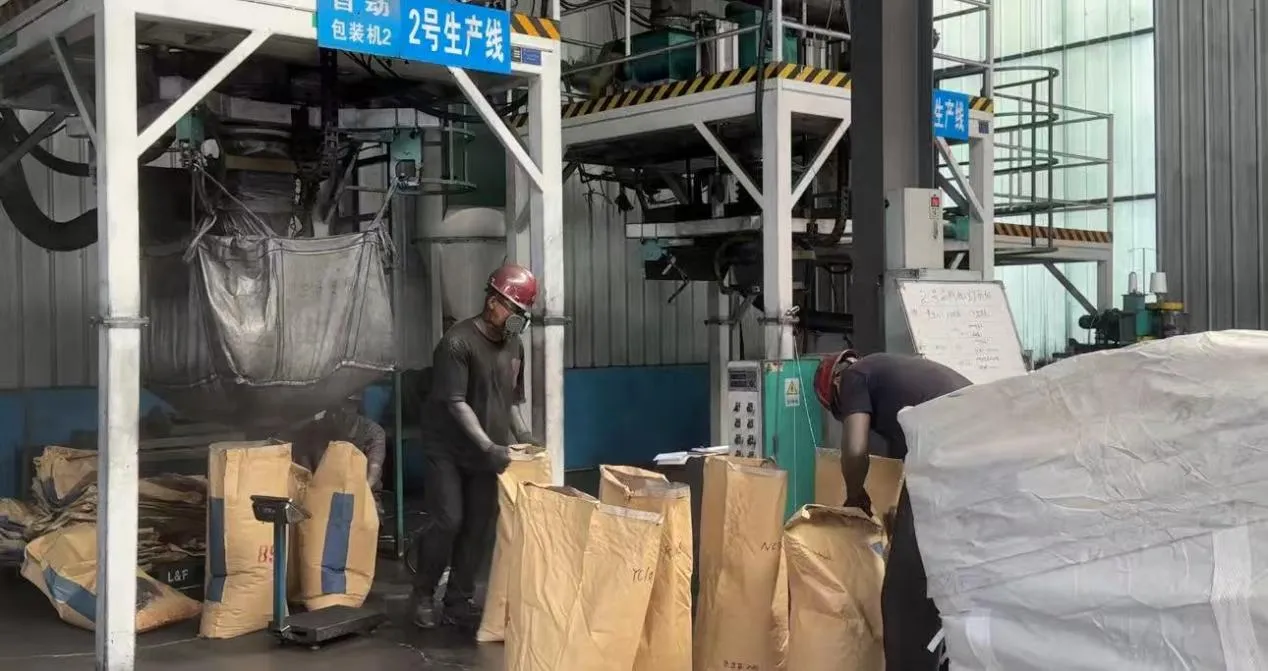
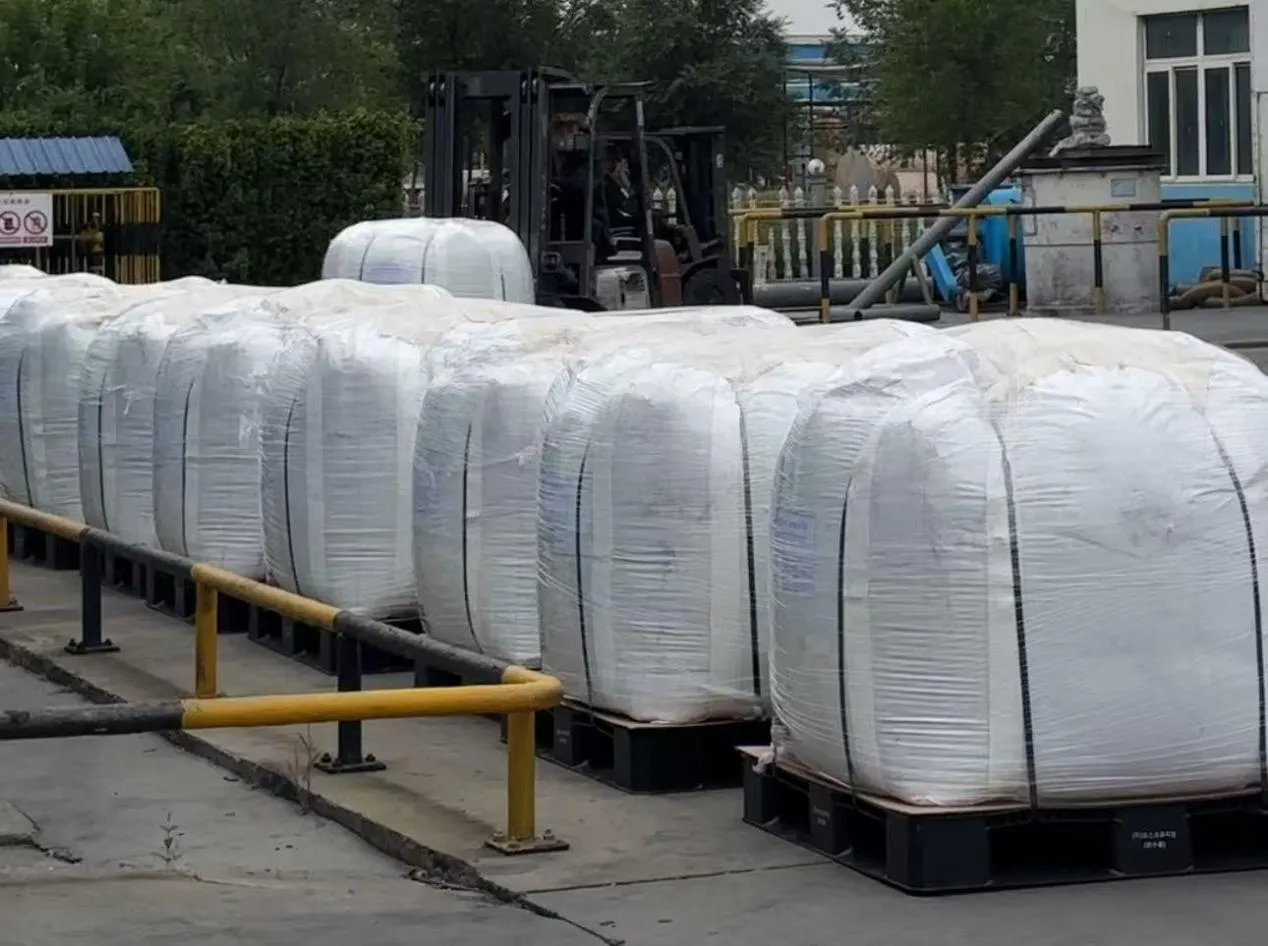
The packaging of graphite products must meet three basic requirements: moisture resistance, contamination prevention, and damage prevention. Taking micro-powder graphite as an example, common packaging consists of an inner plastic sealable bag and an outer woven or paper bag, with each bag typically weighing 25 kilograms net. A 20-foot container can hold approximately 18–20 metric tons. Natural flake graphite and spherical graphite are sensitive to moisture; therefore, the inner bags must be securely sealed, and the outer packaging must clearly display the product name, grade, lot number, net weight, production date, and manufacturer information. For export by sea, additional protective measures—such as palletizing and stretch-wrapping—should be implemented according to order requirements, and the packaging must comply with international maritime shipping standards.
Regarding transportation, attention must be paid to three key factors: moisture protection, securing the cargo, and documentation. Transportation vehicles should be equipped with rain and sun protection to prevent graphite products from becoming damp during transit. Desiccants may be placed inside the container, and palletized packaging must be securely fastened. During transport, graphite powder should not be shipped in the same container as goods that may introduce impurities. Regarding shipping documents, the shipment must be accompanied by a commercial invoice, packing list, bill of lading/air waybill, certificate of origin (if tariff preferences are to be claimed), export license, and insurance certificate.
The import and export of graphite products involves four key aspects: accurate HS code classification, compliance with export control licensing requirements, moisture-proof and damage-resistant packaging, and protection against rain and contamination during transport. Among these, export controls are currently the top priority—natural flake graphite and its products have been included in the dual-use items control list, so it is essential to apply for a license well in advance. Our export team is familiar with the customs classification and control policies for graphite products and can assist clients in completing the compliant export process.
Авторские права © 2026 Qingdao Baohua New Materials Technology Co., Ltd.
| Политика конфиденциальности